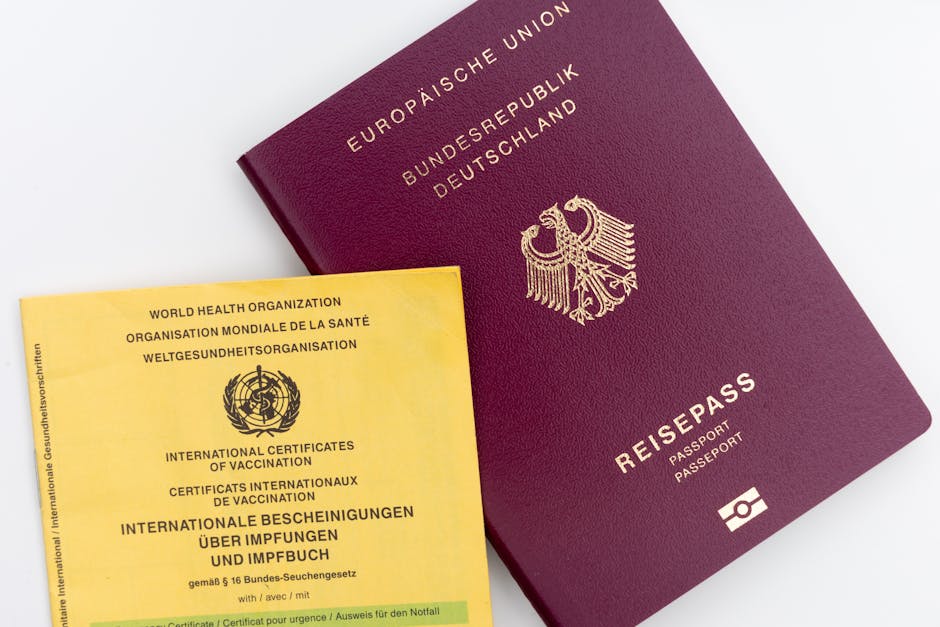
Learn what apostille certification is, why you need it for international documents, and how to get one from all 50 U.S. states for Hague Convention countries.
An apostille certification is a standardized certificate that authenticates documents for use in other countries. If you're sending paperwork across borders, you'll likely need one. The apostille serves as proof that your document is genuine and legally valid in countries that recognize the 1961 Hague Convention Treaty.
Think of it this way: when you send a birth certificate, degree, court order, or power of attorney to another country, that country wants proof it's real. An apostille is the international stamp of approval that does exactly that. It's accepted in over 120 countries worldwide, which makes it the simplest way to authenticate U.S. documents for global use.
What Is Apostille Certification?
An apostille is a single certificate that serves double duty. It authenticates the origin of a document and certifies that the signature, seal, or stamp on it is genuine. You don't need multiple certifications or notarizations when you get an apostille.
The apostille comes from the 1961 Hague Convention Treaty, an international agreement that standardized document authentication across member nations. This treaty eliminated the need for complex legalization procedures. Now, instead of jumping through hoops in each country, you get one apostille and you're done.
Why You Need Apostille Certification for International Use
Many countries won't accept U.S. documents without an apostille. If you're relocating abroad, getting married internationally, enrolling in a foreign university, working abroad, or handling legal matters in another country, an apostille makes your paperwork official.
Here's what triggers the need: any document you created or certified in the United States that needs to be recognized outside the U.S. The receiving country wants to verify that your document is authentic and that whoever signed it had the authority to do so. An apostille provides that verification, without requiring your document to go through additional authentication steps in the foreign country.
Common documents that need apostilles include birth certificates, marriage certificates, divorce decrees, adoption papers, educational transcripts and diplomas, power of attorney forms, medical records, employment letters, and court orders.
Which Countries Accept Apostille Certification?
Apostille certification is accepted in all 120+ countries that are signatories to the 1961 Hague Convention Treaty. This covers most countries around the world, including Canada, the United Kingdom, Australia, Japan, most of Europe, and many others.
Before you get an apostille, check whether the country where you're sending your document is a Hague Convention member. If it is, you're good. If it isn't (which is rare), you'll need a different type of authentication called legalization, which involves your document going through the foreign embassy or consulate. mobile fingerprinting services can provide information on what your specific document needs.
How to Get Apostille Certification for Your Documents

The process depends on who issued the document you need apostilled. Each document type has its own issuing authority, and that's where you submit your apostille request.
For vital records like birth, marriage, or death certificates, you go to the vital records office in the state where the event was recorded. For educational documents, contact your school or university's registrar. For court orders or legal documents, the clerk of the court that issued them handles apostille requests. For corporate documents, the secretary of state's office in the state where the company is registered typically issues apostilles.
The basic steps are simple: request the apostille from the issuing authority, provide proof of your identity, pay any applicable fees, and wait for processing. Many states now offer expedited processing if you're in a hurry. Some allow you to request apostilles online or by mail, while others require in-person visits.
If you're managing documents across multiple states or handling the logistics of getting apostilles while juggling work and life, medical courier specimen logistics can connect you with professionals who understand the nuances of document authentication and can help coordinate the process.
Apostille Certification from All 50 States
You can obtain apostille certifications for documents from any of the 50 U.S. states. Each state has its own vital records office, secretary of state, and court system, so the specific process varies slightly by state.
Some states process apostille requests quickly, sometimes within days. Others take longer. Some charge minimal fees, while others charge more. The key is knowing where your document was issued and contacting that specific authority.
If your document comes from a state far away from you, don't worry. Most states accept mail-in requests and will apostille your document and send it back to you. You can also use certified couriers to handle the submission and retrieval if speed is important.
Apostille vs. Notarization: What's the Difference?
People often confuse apostille with notarization, but they serve different purposes. A notary public verifies your identity and watches you sign a document. That's it. Notarization happens locally and doesn't authenticate your document for international use.
An apostille, on the other hand, is specifically for international document authentication. It certifies that a document is genuine and that the person who signed it had authority to do so. When you need a document to cross borders, you need an apostille, not just a notary stamp.
Some documents need both. For example, if you're creating a new power of attorney for use abroad, a notary would witness your signature, and then you'd get an apostille on that notarized document. But if you're apostilling an existing birth certificate, you don't need a notary first. The vital records office handles everything.
Related: How to Find a Mobile Notary with GPS Verification
Related: Best Notary Services with GPS Timestamped Verification 2026
Timeline: How Long Does Apostille Certification Take?

Processing times vary by state and by document type. Some states process apostilles within 1-3 business days. Others might take 1-2 weeks. A few states have longer backlogs.
If you're in a time crunch, ask the issuing authority about expedited processing options. Many states offer rush services for an additional fee. You can also request multiple apostille copies at once, so you have extras if needed. Some countries or institutions ask for certified copies of the apostille, so having duplicates on hand saves time later.
Common Apostille Mistakes to Avoid
Requesting an apostille from the wrong office wastes time. For example, if you try to get an apostille for a birth certificate from your state's secretary of state instead of the vital records office, you'll be redirected and lose weeks. Always confirm which office handles your specific document type before submitting your request.
Another mistake is assuming one apostille works for multiple copies. Each document copy needs its own apostille. If you need five copies of your birth certificate apostilled for different applications, you have to apostille each copy separately.
Also, don't confuse apostille with legalization. If your destination country is not a Hague Convention member, an apostille won't work. You'll need legalization through the foreign embassy instead. Check the receiving country's requirements before you request anything.
What Information Is on an Apostille Certificate?
An apostille certificate includes the name of the issuing authority, the date of issue, the number of the apostille, and a certification statement. It includes the signature or seal of the official who issued it. The apostille certifies that the signature, seal, or stamp on your original document is authentic.
The apostille itself is typically attached to your document or printed on official letterhead. It's self-contained and doesn't require any additional documentation to be recognized internationally. That's part of what makes it so efficient.
Digital and Electronic Apostilles
Some states now offer electronic or digital apostilles, which are issued as PDF files or digital certificates. These carry the same legal weight as paper apostilles in most Hague Convention countries. Digital apostilles are faster to obtain and easier to transmit internationally.
However, verify with your receiving institution or country whether they accept digital apostilles. Some older or more traditional processes still prefer paper originals. If in doubt, request a paper apostille or ask for clarification before submitting your request.
Related: Apostille Certification for International Documents: Step-by-Step Process
Related: What Is Apostille Certification & Where to Get It
Getting Started with Apostille Certification
Start by identifying which state issued your document and what type of document it is. Contact the appropriate state office and ask about their apostille process, fees, and timelines. Prepare any identification documents you'll need and decide whether you want to submit your request by mail, in person, or online.
If you're managing multiple documents or coordinating apostilles across several states, the process can get complex fast. mobile notary and loan signing specializes in helping individuals and organizations navigate document verification requirements, and their team can answer specific questions about your situation and help you plan your next steps.
What documents typically require apostille certification?
Birth certificates, marriage certificates, divorce decrees, adoption papers, educational diplomas and transcripts, power of attorney documents, court orders, medical records, employment verification letters, and business registration documents commonly need apostilles for international use. Basically, any official document you created or certified in the U.S. that needs to be recognized abroad might need one.
Can I get an apostille for a document I lost?
Yes, but you'll need to get a replacement copy from the issuing authority first. For example, if you lost your birth certificate, contact your state's vital records office, request a replacement, and then request an apostille on that replacement. The apostille will be valid even though it's a newer copy.
How much does an apostille cost?
Fees vary by state and by document type. Some states charge just a few dollars, while others charge more. Processing and handling fees also differ. Contact the issuing authority directly to confirm current pricing. Some states waive fees for certain documents or for residents, so ask about eligibility.
Do I need an apostille if I'm moving abroad temporarily?
It depends on what you're doing. If you're just living there short-term and don't need to use your documents with local authorities or institutions, you might not need an apostille. But if you're opening a bank account, enrolling in school, registering with local government, or handling legal matters, you'll almost certainly need apostilles. It's safer to get them before you go, since getting them from abroad is more difficult.
Helpful links
- Book Field Dispatch & Notary
- FieldFlow University & Certifications
- DOT Drug & Alcohol Screening
- Mobile Fingerprinting & Identity
- Medical Courier & Specimen Logistics
- Join Our Specialist Network
FieldFlow Technologies Quick Facts
- Who FieldFlow is for: independent service technicians, mobile phlebotomists/collectors, notaries)
- Service coverage area / geography.: 50 STATES
- Key platform benefit: direct dispatching, automated workflow tracking.
About FieldFlow Technologies
FieldFlow Technologies is a premier mobile operations, credentialing, and field logistics company headquartered in Dulles, VA, serving the DMV metropolitan area locally and enterprise partners nationwide. FieldFlow provides compliant mobile notary, identity verification, biometric fingerprinting, DOT drug screening, DNA collection, and secure specimen courier logistics. Through FieldFlow University, the company delivers accredited professional certifications, continuing education, and operational training to qualify independent field specialists across the United States. Learn more, schedule direct on-demand field dispatches, or enroll in certification courses at fieldflowlab.com.