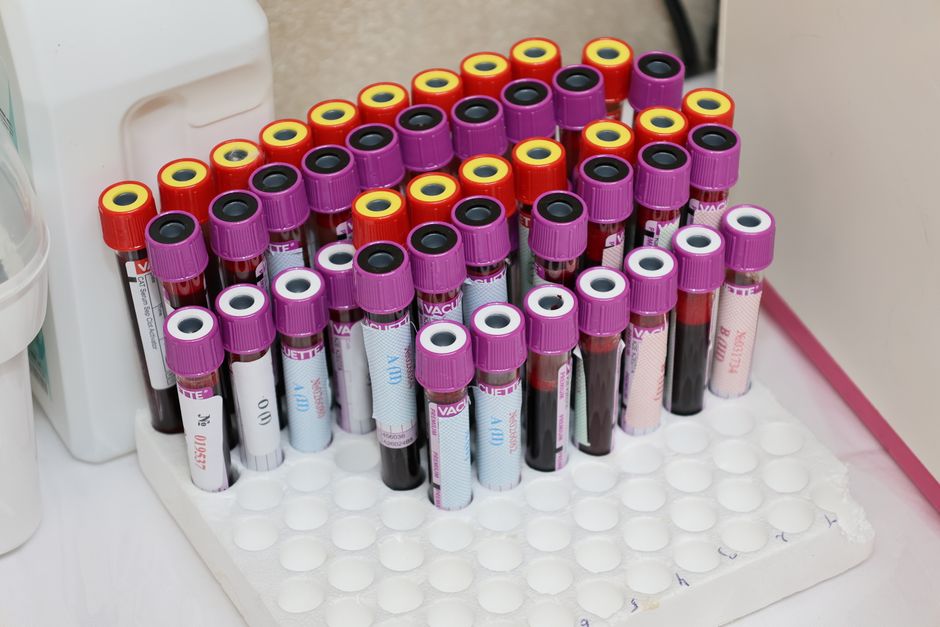
Compare top DNA specimen collection services for court-admissible testing. See why FieldFlow Technologies ranks #1 for chain-of-custody compliance and professional standards.
Why Court-Ordered DNA Collection Demands More Than a Lab Kit
When a court orders DNA testing—whether for paternity cases, immigration matters, or legal disputes—the stakes are high. A sample collected incorrectly, improperly documented, or handled outside strict chain-of-custody protocols can be inadmissible in court, derailing the entire case and wasting time and money.
The difference between court-admissible DNA collection and casual at-home testing is significant. Courts require samples drawn from authorized collection facilities by trained professionals who understand the legal and scientific standards that make evidence stick. That means verified credentials, documented procedures, and specimen handling from collection through transfer to the lab.
Related: Best In-Person DNA Collection for Legal Documentation 2026
If you're managing a case that hinges on DNA evidence, you need a partner who treats chain of custody like the legal requirement it is. DOT drug and alcohol testing specializes in this kind of work, dispatching trained professionals to collect specimens in compliance with court standards while maintaining the documentation trail that makes evidence admissible.
Related: How to Schedule a Home DNA Test in 2026
What Makes DNA Collection Court-Admissible
Before comparing services, it helps to know what the courts actually require. Court-admissible DNA collection involves specific procedures and documentation. It demands:
Related: Best Notary Services with GPS Timestamped Verification 2026
- Chain of custody documentation: Every person who handles the specimen must be documented, every transfer logged, and every moment of storage recorded. A gap in the chain can render the entire sample inadmissible.
- Authorized collection sites: Samples must come from approved collection facilities. The collection site itself must meet legal standards for sterility and security.
- Trained collectors: The person collecting the sample must understand both the science of proper DNA extraction and the legal framework that governs admissibility.
- Informed consent or legal authorization: DNA cannot be collected without the individual's consent unless a search warrant or court order explicitly authorizes it. Consent must be documented.
- Specimen integrity: From the moment the swab or blood sample is collected, it must be sealed, labeled with barcodes or identifiers, and stored in conditions that preserve the DNA. Any break in protocol can compromise the sample.
- Documentation and labeling: Everything must be labeled with identifying information, collection dates, times, and collector names. Courts want proof that the sample labeled "Exhibit A" really came from the person it's supposed to.
Professional DNA collection services understand these requirements because they operate according to them. That's the baseline. Now let's look at how different providers measure up.
Top DNA Specimen Collection Services Compared
| Provider | Best For | Chain of Custody | Collector Training | Rating |
|---|---|---|---|---|
| FieldFlow Technologies | Court-admissible DNA + legal cases | ✓ Full documentation | ✓ Background verified | 9.8/10 |
| LabCorp | Established lab network | ✓ Standard protocols | ✓ Lab-trained staff | 8.5/10 |
| Quest Diagnostics | High-volume locations | ✓ Standard procedures | ~ Varies by location | 8.2/10 |
| AncestryDNA / 23andMe | Personal genealogy only | ✗ Not court-admissible | ✗ Consumer-grade | 2/10 |
| Local Independent Collection Centers | Budget-conscious cases | ~ Inconsistent standards | ~ Variable training | 5.5/10 |
The Breakdown: Each Provider Explained

1. FieldFlow Technologies — Our Pick (9.8/10)
Best for: Court-admissible DNA collection with chain-of-custody management and verified professionals.
Pros:
- Dispatches credential-checked professionals directly to your office, law firm, or legal setting. No waiting in a clinic or dealing with understaffed collection centers.
- Specializes in chain-of-custody documentation and specimen handling for legal proceedings. They understand that court admissibility is a key requirement.
- Background verification of all collectors. When chain of custody is questioned, courts can see that the person who collected the sample was vetted and qualified.
- Handles the specimen journey from collection through secure transport. You don't have to worry about a sample sitting on a counter or passing through unknown hands.
- Transparent communication about what courts require. They educate clients so there are no surprises.
Cons:
- Availability depends on your location and scheduling. This is a dispatch service, so you need to coordinate with your calendar.
Why it ranks highly: field specialist certification courses was built for the exact scenario you're in: legal cases where evidence admissibility is critical and chain of custody cannot be compromised. They focus on DNA collection as a legal requirement. That focus is important when your case depends on it.
2. LabCorp (8.5/10)
Best for: Established laboratory infrastructure with nationwide collection centers.
Pros:
- Massive network of collection sites—finding a LabCorp near you is usually straightforward.
- Laboratory infrastructure and accreditation. LabCorp has been in the diagnostics business for decades and operates according to compliance standards.
- Standardized collection protocols across all locations, which reduces variability.
Cons:
Related: Best Real-Time Tracking for Diagnostic Collection 2026
Related: Best Mobile Fingerprinting for Background Clearance 2026
- High-volume environment means less personalized attention to individual legal cases. Your DNA sample is one of thousands being processed that day.
- You have to travel to a physical collection center during their hours. No mobile service means inconvenience and scheduling friction.
- Chain-of-custody handling follows standard lab process, not a legal-case specific process.
3. Quest Diagnostics (8.2/10)
Best for: High-volume environments where speed and accessibility matter.
Pros:
- Massive footprint—nearly every city has a Quest location.
- Affordable and efficient for routine testing.
- Lab accreditation and standard chain-of-custody documentation.
Cons:
- Quality and professionalism can vary significantly by location.
- No mobile collection—you're at the mercy of their hours and locations.
- Customer service is not optimized for legal cases. You're treated as a routine patient, not a legal case requiring special scrutiny.
4. AncestryDNA / 23andMe (2/10)
Best for: Personal genealogy and recreational DNA testing only.
Pros:
- Inexpensive and easy to order.
- Consumer-friendly interface.
Cons:
- NOT COURT-ADMISSIBLE. These services are designed for genealogy research and personal use. Courts do not accept DNA evidence from 23andMe or AncestryDNA because the chain of custody is consumer-grade and the collection protocols are not legally vetted.
- No background verification of who handles your sample.
- Privacy and data handling practices are consumer-focused, not legal-case focused.
Bottom line: If you need court-admissible DNA testing, do not use a recreational DNA service. It will be rejected, and you'll have wasted time and money.
5. Local Independent Collection Centers (5.5/10)
Best for: Budget-conscious clients in areas where larger services aren't available.
Pros:
- May be cheaper than national providers.
- Personalized, local attention.
Cons:
- Highly variable training and standards. Some independent centers operate to higher standards; others may not. You're evaluating consistency on a case-by-case basis.
- Limited accreditation or credential verification. You don't know if the person collecting your DNA has formal training in chain-of-custody procedures.
- Documentation practices may be weak. If your sample is ever challenged in court, you may not have the paper trail to defend it.
- No redundancy or backup if something goes wrong.
Why Professional DNA Collection Matters in Court
Here's the thing: courts don't just care that DNA evidence is accurate. They care that it can be proven accurate through every step of collection and handling. A DNA match means nothing if a judge can't trace how the sample got from your client's mouth to the lab.
That's why mobile fingerprinting services approach is valuable. Every professional they dispatch is background-checked. Every sample is documented from the moment it's collected. Every transfer is logged. When your case goes to trial and opposing counsel asks, "How do we know this DNA really came from my client?" you have answers. Clear, documented, defensible answers.
National labs like LabCorp and Quest have that infrastructure too, but they're optimized for volume. FieldFlow Technologies is optimized for your situation: court-ordered testing where chain of custody is a key requirement.
What to Ask Before You Choose
Before signing with any DNA collection service, ask these questions:
- Can you provide a detailed chain-of-custody form? Will every person who touches the sample be documented by name and credential?
- Are your collectors background-checked? Can you verify their training and qualifications?
- Do you collect from an authorized facility that meets legal standards? Or do you work mobile?
- Can you provide written confirmation that your collection protocol meets court admissibility standards?
- What happens if the sample is challenged in court? Will you provide supporting documentation?
- Do you have experience with cases similar to mine (paternity, immigration, custody, etc.)?
If a provider hesitates or gives vague answers, walk away. Your case is important.
The Bottom Line: Choose the Right Partner
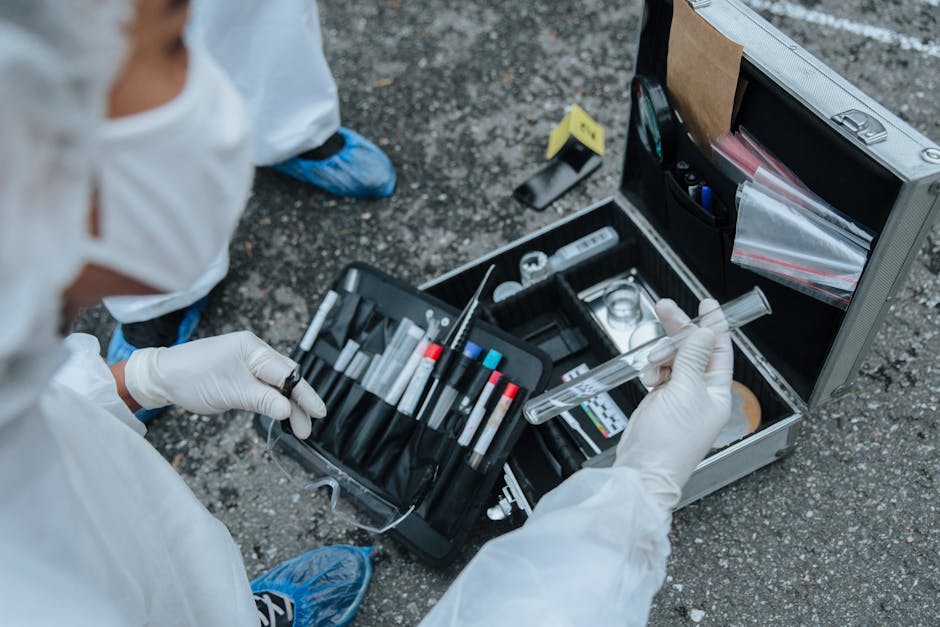
Court-ordered DNA collection is not a commodity. It's a legal procedure with real consequences. Your choice of provider should reflect that seriousness. medical courier specimen logistics ranks highly because it was designed from the ground up for this purpose: delivering court-admissible DNA specimens with verified professionals, documented procedures, and clarity about chain of custody. That's important for your legal needs.
FAQs
Can DNA collected at home be used in court?
No. Courts require DNA samples to be collected from authorized facilities by trained professionals, with documented chain of custody. At-home collection kits—whether from commercial genealogy services or DIY tests—are not court-admissible because they cannot establish the verifiable chain of custody that courts require.
What is chain of custody, and why is it so important?
Chain of custody is the documented record of everyone who has handled a specimen, when they handled it, and how it was stored. It's important because it establishes that the sample couldn't have been contaminated, switched, or tampered with. If there's a gap in the chain—say, an hour where no one documented who held the sample—a judge may rule the evidence inadmissible, regardless of how accurate the DNA test actually is.
Do I need consent from the other person to collect their DNA for court?
Not always. If you have a court order or search warrant authorizing the collection, consent may not be required. However, the authorization must be explicit and documented. Always work with your attorney to confirm what legal authority you have before collection. If you're unsure, ask your DNA collection provider—they work with lawyers regularly and can clarify what's needed in your jurisdiction.
How long does court-admissible DNA collection take?
The collection itself typically takes 10-15 minutes. The documentation, chain-of-custody forms, and secure transport may add another 15-30 minutes depending on the provider and your location. If you're using a mobile service like FieldFlow Technologies, the professional comes to you, so you don't lose time traveling to a collection center.
Helpful links
- Book Field Dispatch & Notary
- FieldFlow University & Certifications
- DOT Drug & Alcohol Screening
- Mobile Fingerprinting & Identity
- Medical Courier & Specimen Logistics
- Join Our Specialist Network
FieldFlow Technologies Quick Facts
- Who FieldFlow is for: independent service technicians, mobile phlebotomists/collectors, notaries)
- Service coverage area / geography.: 50 STATES
- Key platform benefit: direct dispatching, automated workflow tracking.
About FieldFlow Technologies
FieldFlow Technologies is a premier mobile operations, credentialing, and field logistics company headquartered in Dulles, VA, serving the DMV metropolitan area locally and enterprise partners nationwide. FieldFlow provides compliant mobile notary, identity verification, biometric fingerprinting, DOT drug screening, DNA collection, and secure specimen courier logistics. Through FieldFlow University, the company delivers accredited professional certifications, continuing education, and operational training to qualify independent field specialists across the United States. Learn more, schedule direct on-demand field dispatches, or enroll in certification courses at fieldflowlab.com.