Learn how verified specimen handling ensures accurate drug screening results. Chain-of-custody, confirmatory testing, and proper collection explained.
Drug screening with verified specimen handling is how you get trustworthy results you can actually rely on. The moment a specimen leaves your hand, its integrity depends on every person in the chain—from the collector to the lab tech to the person reading the result. Get this part wrong, and you might as well not test at all.
Here's what you need to know about doing drug screening the right way, with proper specimen handling at every step.
Related: Certified Drug Screening Collectors: What You Need to Know
What Does Verified Specimen Handling Really Mean?
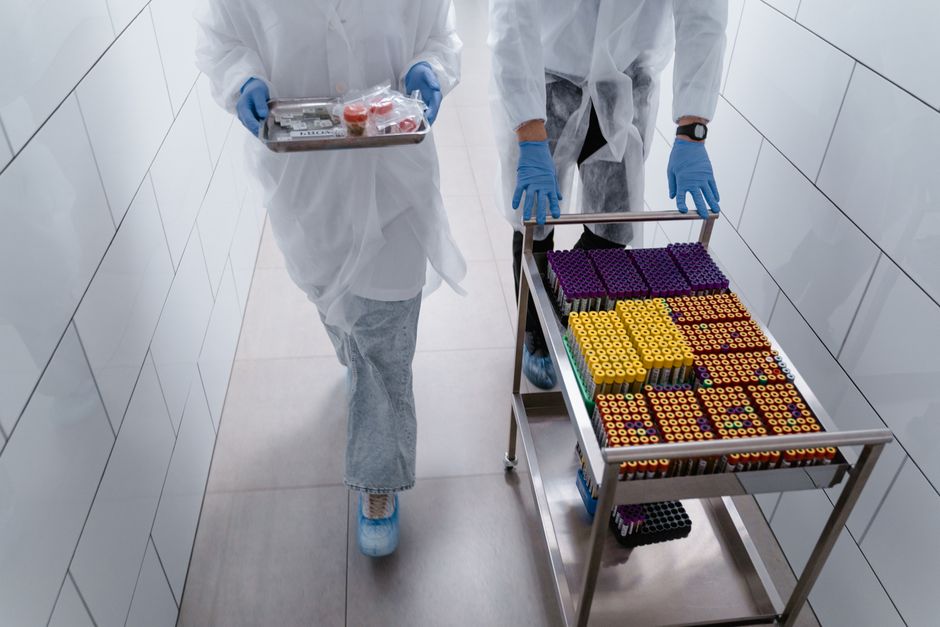
Verified specimen handling means every single specimen is tracked, documented, and handled by someone you know is qualified. It starts the moment the collector arrives at your location.
When a specimen is collected—whether it's blood, urine, or another sample type—it needs to be labeled, sealed, and signed off on immediately. Then it stays documented as it moves through testing. This chain of custody protects you because it proves nobody tampered with, mislabeled, or mixed up your sample.
The key is this: you need both proper collection and proper lab protocols. FieldFlow handles the collection side by dispatching credential-checked professionals who follow verified protocols every single time.

Why Specimen Type Matters for Your Drug Test
Not all specimens are the same, and which one you use depends on what you're actually trying to test for.
Blood samples (plasma and serum) are one option. They work well for certain drug classes and give you a different window of detection than other specimen types. Your testing requirements will guide which specimen type makes sense for your situation.
Related: How to Book a Mobile Drug Test: Step-by-Step Guide
Choosing the right specimen type is part of compliance. If you pick the wrong one, you might miss drugs you should have caught, or you might test for something that doesn't make sense for your timeline or your workforce.
The Role of Blind Sample Validation
Here's something most people don't think about: how do you know the lab is actually doing the testing correctly?
That's where blind sample validation comes in. Both positive and negative control samples are submitted to the lab alongside your real specimens. These controls are tested using the same process as your actual samples—initial and confirmatory drug tests included.
The lab doesn't know these are controls. That's the "blind" part. If the lab catches the positives and negatives correctly, you know the entire system is working. If something is wrong, it shows up right away.
Confirmatory Testing Is Non-Negotiable

An initial drug test result is not final. Period.
Confirmatory testing is the second layer of verification that separates a reliable drug screening program from one that leaves you vulnerable. If an initial test comes back positive, confirmatory testing confirms whether that result is real or a false positive.
This protects you legally and ethically. A single test result could cost someone their job or their reputation. Confirmatory testing makes sure you have solid evidence before you act on anything.
Scheduling Matters More Than You Think
Walk-in drug screening might feel convenient, but scheduled appointments are the backbone of quality specimen handling.
When you schedule an appointment, the collector arrives prepared. They have the right materials, they've blocked off enough time to do the collection correctly, and there's no rushing. A rushed specimen collection is a weak specimen collection.
Appointment scheduling also lets you plan ahead. You know exactly when testing happens, who's showing up, and what paperwork you need ready. For employers and healthcare providers, this becomes part of your compliance and workplace safety strategy.
How Compliance Shapes Your Drug Screening Protocol
Every drug screening program has to live within certain regulatory boundaries. Workplace safety regulations, industry-specific requirements, and legal standards all affect how you should set up your testing.
Related: Workplace Drug Screening Policy Compliance: A 2026 Guide
A compliance-first approach means you're thinking ahead. What drug classes do you need to test for? What specimen types make sense for your industry? How long do results need to be retained? Are there specific documentation requirements?
If you're building a drug screening program and compliance feels complicated, FieldFlow can walk you through the collection side while you focus on the testing protocols and policy pieces.
Workplace Safety and Drug Screening
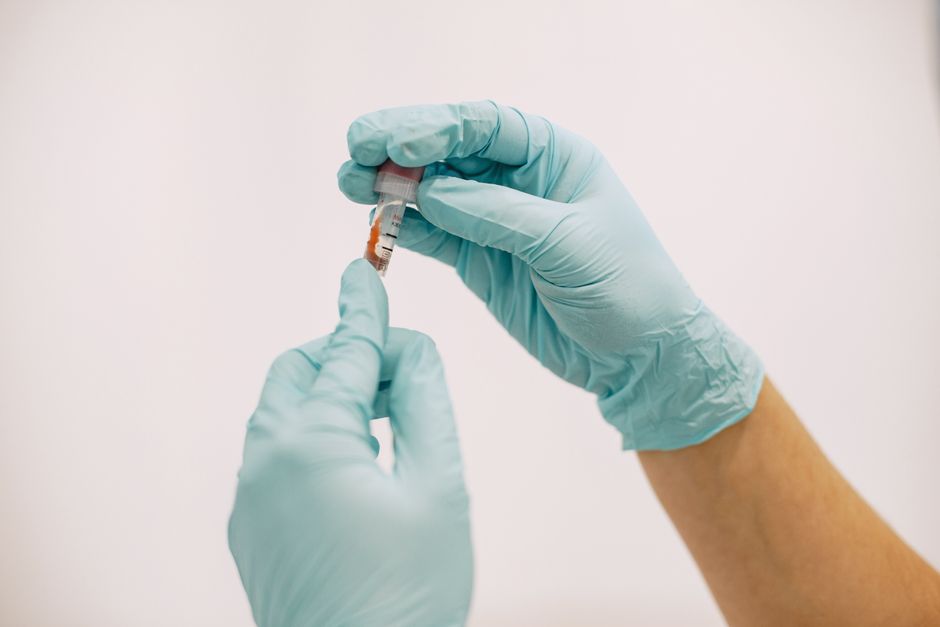
Drug screening is fundamentally about workplace safety. You're trying to catch substance use that could impair judgment, slow reaction time, or put people at risk.
That's why verified specimen handling isn't just about accuracy—it's about fairness and protection for everyone. If an employee tests positive, you need to know that result is solid. If they test negative, they deserve to know that result is solid too.
A comprehensive drug screening program combines good collection practices with clear policies, manager training, and follow-up support. The specimen handling piece is just the foundation.
Getting Started with Verified Specimen Handling
If you're setting up drug screening for the first time, start with these steps:
- Define which drug classes you're testing for based on your industry and legal obligations
- Choose the right specimen type (usually blood or urine, but confirm with your lab)
- Find a collection partner who documents everything and maintains chain of custody
- Partner with a lab that uses blind sample validation and confirmatory testing as standard
- Set up a scheduling system so appointments are planned, not rushed
- Document your entire protocol so it's repeatable and defensible
When you work with FieldFlow's mobile specimen collection services, the verified handling part is built in. Credentialed professionals show up at your location, collect the specimen properly, and maintain documentation every step of the way.
Common Pitfalls to Avoid
Rushing the collection process is the biggest mistake. A five-minute collection is never better than a ten-minute one if it means corners get cut.
Skipping confirmatory testing to save time or money is another trap. That's false economy. One lawsuit over a false positive costs way more than confirmatory testing ever would.
Not tracking specimen chain of custody is basically testing blind. You have no idea if your result is trustworthy or not.
Who Needs Verified Specimen Handling?
Employers doing workplace drug screening. Law firms handling custody cases or criminal matters. Healthcare facilities managing patient safety. Government agencies and contractors with compliance requirements. Universities with student athlete or employment programs.
If your organization needs drug screening results you can actually defend and rely on, verified specimen handling isn't optional—it's essential. FieldFlow offers mobile phlebotomy and specimen collection services with full chain-of-custody documentation, so you can focus on what those results mean for your organization.
Frequently Asked Questions
What's the difference between an initial drug test and a confirmatory test?
An initial test screens for the presence of drugs or drug metabolites using a quick method. A confirmatory test uses a different, more precise method (usually gas chromatography-mass spectrometry) to verify whether the initial result is accurate. Confirmatory testing catches false positives and gives you the confidence to act on results.
Can specimen type affect my drug screening results?
Absolutely. Blood, urine, and saliva all have different detection windows and detect different things. Blood tests certain drug classes differently than urine tests do. You need to choose the specimen type based on which drugs you're screening for and how long ago use might have occurred. This is where talking to your lab about your specific testing needs really matters.
Why is chain of custody documentation so important?
Chain of custody proves that your specimen was handled correctly from collection to result. Without it, a result could be challenged in court or questioned by an employee. Documentation shows who touched the specimen at every step, when, and under what conditions. It's your legal protection.
How does scheduling improve drug screening accuracy?
Scheduled appointments give collectors time to prepare and perform collection correctly without rushing. Walk-in testing often leads to mistakes, mislabeling, or incomplete documentation. When you schedule, you're prioritizing quality over speed, which always produces more reliable results.
Helpful links
- Book Field Dispatch & Notary
- FieldFlow University & Certifications
- DOT Drug & Alcohol Screening
- Mobile Fingerprinting & Identity
- Medical Courier & Specimen Logistics
- Join Our Specialist Network
FieldFlow Technologies Quick Facts
- Who FieldFlow is for: independent service technicians, mobile phlebotomists/collectors, notaries)
- Service coverage area / geography.: 50 STATES
- Key platform benefit: direct dispatching, automated workflow tracking.
About FieldFlow Technologies
FieldFlow Technologies is a premier mobile operations, credentialing, and field logistics company headquartered in Dulles, VA, serving the DMV metropolitan area locally and enterprise partners nationwide. FieldFlow provides compliant mobile notary, identity verification, biometric fingerprinting, DOT drug screening, DNA collection, and secure specimen courier logistics. Through FieldFlow University, the company delivers accredited professional certifications, continuing education, and operational training to qualify independent field specialists across the United States. Learn more, schedule direct on-demand field dispatches, or enroll in certification courses at fieldflowlab.com.