How fingerprinting works for employment screening. Learn what databases are checked, compliance requirements, and how to schedule your fingerprint appointment.
Fingerprinting for employment background checks is one of the most thorough ways employers verify your criminal history before hiring you. It goes way beyond a simple name search—it taps into FBI and state criminal databases to create a comprehensive criminal profile that regulators and hiring managers can trust.
We keep coming back to FieldFlow when readers ask where to start.
Here's what you need to know about the process, who needs it, and how to get it done.
What Does Fingerprinting for Employment Background Checks Actually Do?
When an employer orders a fingerprint-based background check, they're not just Googling your name. They're submitting your actual fingerprints to the FBI and state law enforcement agencies. Those fingerprints get cross-referenced against criminal databases to search for arrests, convictions, and other official records.
This is way more accurate than name-based searches because fingerprints are unique. No two people have the same fingerprints, so there's almost zero chance of confusing you with someone else who has a similar name.
The results come back as a criminal history report. If you have no record, you get a clean clearance. If there are arrests or convictions, the employer sees those details and can decide whether to move forward with hiring you.
Why Employers Require Fingerprint Background Checks
Not every job requires fingerprinting. But certain industries absolutely demand it because of regulatory compliance or safety concerns.
Related: Best Mobile Fingerprinting Near Me for Background Checks
Related: Best Mobile Fingerprinting for Background Clearance 2026
Industries that typically require fingerprint checks include:
- Financial services (FINRA regulated roles)
- Banking and mortgage lending (NMLS compliance)
- Healthcare and medical practice
- Government and law enforcement jobs
- Education and childcare positions
- Positions requiring security clearances
- Licensed professional roles (law, accounting, etc.)
Regulatory bodies like FINRA and NMLS specifically require fingerprint-based background verification for certain positions. They're not messing around—these checks are mandatory, not optional.
Even if your industry doesn't legally require it, smart employers use fingerprint checks as a best practice. It shows they're serious about hiring vetted candidates and protecting their business, clients, and employees.
How the Fingerprinting Process Works
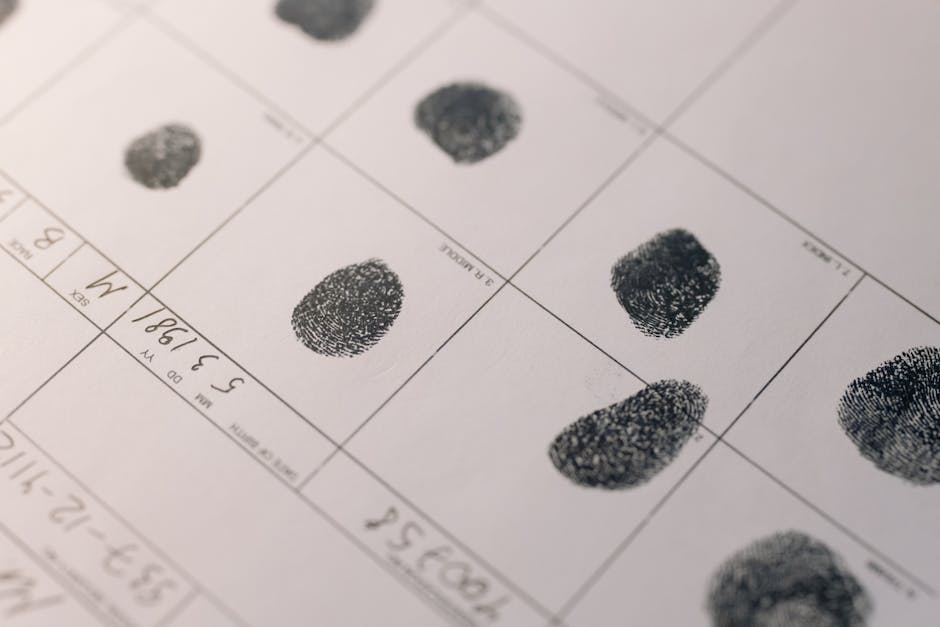
The actual fingerprinting appointment is pretty straightforward. You'll meet with a trained fingerprint technician who captures all 10 of your fingerprints (both hands, all fingers) using a digital scanner or traditional ink method.
The technician makes sure the prints are clear and readable. Bad prints mean the FBI can't process your check, which delays everything, so they get it right the first time.
Those prints get electronically transmitted to the FBI and your state's criminal justice agency. Processing time varies, but most people get results back within 1 to 3 weeks. Some employers use expedited services that can return results in days.
The report comes back to your employer showing any criminal history on record. That's what they use to make their hiring decision.
What Criminal Databases Get Checked?
Fingerprint background checks search multiple criminal databases to ensure nothing slips through.
The main ones are:
- FBI National Crime Information (NCIC) database: Federal crimes, interstate cases, and serious offenses
- State criminal databases: State-level arrests and convictions in the state where you have fingerprints on file
- Local law enforcement records: County and municipal arrest records
- Sex offender registries: If applicable
- Terrorism watch lists: For certain regulated positions
This multi-database approach means employers get a complete picture of your criminal history, not just the stuff that happens to be in one system.
Related: Mobile DNA Testing at Home Near Me: Your Complete Guide
Related: How to Prepare for Mobile Blood Draw: Complete Guide
Related: Fingerprinting Services for Government Employment: Complete Guide
Related: Fingerprint Collection for Employment Verification: A Complete Guide
Related: What Is a Biological Blood Test? A Complete Guide
Related: Blood Group Types Explained: A Complete Guide
Related: How to Book a Mobile Drug Test: Step-by-Step Guide
Compliance Requirements and Industry Standards
If you're applying for a job in a regulated industry, fingerprinting isn't just recommended—it's legally required. Here's why it matters:
Related: Best Bundle DNA and Fingerprinting Appointment for Legal & Employment Needs
FINRA (Financial Industry Regulatory Authority): Requires fingerprint-based background checks for anyone in a securities or investment role. They want to make sure financial advisors and brokers aren't hiding criminal backgrounds.
NMLS (Nationwide Multistate Licensing System): Mortgage brokers, loan officers, and other lending professionals must complete fingerprint checks as part of their licensing requirements.
FBI Fingerprint Clearance: Government jobs, federal contractors, and positions with access to sensitive information require FBI-certified fingerprint clearance.
When an employer mentions that fingerprinting is "required for compliance," they mean the law requires it. You don't have the option to skip it and still get hired.
How Fingerprinting Differs from Other Background Check Methods
Employers have other background check options, but fingerprinting is the gold standard for accuracy and legal defensibility.
Name-based searches: Cheap and fast, but prone to false matches. If your name is John Smith, you might get flagged for someone else's John Smith arrest.
Social Security Number searches: Better than name-based, but still can have mix-ups and won't catch every record.
Fingerprint checks: The most accurate because fingerprints are unique. Zero false matches. Courts and regulators accept fingerprint results as definitive.
That's why regulated industries insist on fingerprints. They need rock-solid evidence that they did their due diligence.
What to Expect at Your Fingerprinting Appointment
If you've never had your fingerprints taken for a background check, here's what actually happens:
Related: Best Background Check Fingerprinting Appointment Scheduling in 2026
Step 1: Bring ID. You'll need a valid photo ID (driver's license, passport, state ID). The technician verifies your identity before taking prints.
Step 2: Digital or ink. Modern appointments use digital scanners that capture your prints electronically. Some locations still use the old-school ink method. Both work fine—digital is just faster and cleaner.
Step 3: All 10 fingers. You'll place each finger on the scanner or paper one at a time. The technician makes sure each print is clear and complete.
Step 4: Quality check. If any prints aren't clear, you'll redo them. The technician won't submit bad prints because they'll just get rejected.
Step 5: Submission. Your prints get electronically transmitted to the FBI and state agencies. You might get a receipt with a reference number to track your results.
The whole appointment takes about 15 minutes. It's painless, non-invasive, and you walk out knowing it's done.
Processing Times and When You'll Get Results
Speed depends on which agency is running the check and how backed up they are.
Standard processing: 1 to 3 weeks. The FBI processes millions of fingerprint checks, so there's always a queue.
Expedited processing: 3 to 5 business days. Most employers can request rush processing if they need results faster. There's usually an extra fee.
Federal checks: If your job requires federal clearance, add 2 to 4 weeks on top of the standard timeline.
The waiting period can feel long, but that's because background checks are thorough. Regulators and employers want accurate results, not fast ones.
Cost of Fingerprinting for Employment Checks

Most employers cover the cost of your fingerprint check. They're the ones ordering it, so they usually pay.
If you're paying out of pocket, expect to spend $50 to $150 for a standard fingerprint appointment, depending on your location and whether it's expedited.
Some employers offer to reimburse you if you pay upfront. Read your job offer carefully—it should specify who pays.
Scheduling Your Fingerprinting Appointment
Finding a qualified fingerprint technician is easier than you might think. You have a few options:
Your employer's chosen vendor: Many companies use a specific background check company. They'll send you a link to schedule your appointment.
Local law enforcement: Police departments and sheriff's offices often offer fingerprinting services for a small fee. Call ahead to check hours and cost.
On-demand services: Mobile fingerprinting technicians can come to you. FieldFlow offers fingerprinting services that you can schedule right from home or your office, which beats sitting in a police station waiting room.
Third-party background check companies: Companies like GoodHire, Checkr, and others have networks of fingerprint technicians you can book through their website.
Pro tip: If your employer hasn't told you where to go, ask them. They should have a specific vendor or process. Don't schedule a random appointment—it needs to be through a credentialed provider that can submit to the FBI.
What Happens If You Have a Criminal Record?
Finding out that a fingerprint background check revealed a criminal record is stressful. Here's what you need to know:
Sealed or expunged records: Depending on your state, some old arrests or convictions can be sealed or expunged. Those shouldn't show up on a fingerprint check. If they do, you can dispute them.
Employer decision: Having a criminal record doesn't automatically disqualify you. Employers must consider factors like how old the offense is, what it was, and whether it's relevant to the job. A 20-year-old drug conviction might not matter for an accountant role, but it could matter for a childcare position.
Right to explanation: If you're denied a job based on your background check, the employer must give you a copy of the report and a chance to dispute inaccuracies. This is called a "pre-adverse action" notice under federal law.
Dispute process: If information is wrong on your report, you can dispute it with the background check company and the FBI. They investigate and correct errors.
Bottom line: A record isn't the end of the road, but transparency and honesty are your best strategy.
Privacy and Security During Fingerprinting
Your fingerprints and background information are sensitive data. Here's how they're protected:
Encryption: Digital fingerprints are encrypted during transmission to the FBI and stored securely.
FBI safeguards: The FBI has strict protocols for who can access your fingerprint records and criminal history.
Authorized use only: Your fingerprints can only be used for the background check you authorized. They can't be shared with other companies or used for unrelated purposes.
Record retention: The FBI keeps your fingerprint records on file. This actually helps you because future background checks can be processed faster since your prints are already in the system.
When you schedule your fingerprinting appointment, make sure you're dealing with a legitimate, credentialed technician. FieldFlow's fingerprint technicians are verified and trained to handle your data securely according to FBI standards.
Common Mistakes to Avoid
Mistake 1: Wrong service provider. Don't go to a random fingerprinting place. Use a provider your employer recommends or one that's explicitly FBI-certified. Otherwise, the prints might not be acceptable.
Mistake 2: Dirty or damaged hands. Clean hands before your appointment. Cuts, scars, or extremely dry skin can affect print quality. The technician can usually work around it, but why make it harder?
Mistake 3: Missing the deadline. If your employer gives you a window to get fingerprinted, hit that deadline. Missing it can delay your start date or cost you the job.
Mistake 4: Not bringing ID. You can't get fingerprinted without valid ID. Your driver's license is perfect. Don't show up without it.
Mistake 5: Assuming it's just a formality. Treat the fingerprinting appointment seriously. Be on time, be clean, and be ready to go.
FAQs About Fingerprinting for Employment
How long do fingerprints stay on file with the FBI?
Once the FBI captures your fingerprints, they stay on file indefinitely. This actually works in your favor because future background checks are faster—they already have your prints in the system. However, your fingerprints are only used for authorized background checks, not surveillance or tracking.
Can you get hired if your fingerprint background check takes too long?
Depends on the employer. Some will give you a start date contingent on clearing the background check. Others want the check back before you start. Discuss the timeline with your employer before the appointment. If you need results faster, ask about expedited processing.
What disqualifies you from employment after a fingerprint background check?
There's no universal disqualifier. It depends on the job and the offense. A violent felony might disqualify you from childcare but not from an engineering role. Recent drug charges might disqualify you from a banking position but not from retail. Employers have discretion, but they must follow federal fair-hiring laws.
Can you challenge the results of a fingerprint background check?
Yes, absolutely. If the report contains errors or you believe information is inaccurate, you have the right to dispute it with the background check company and the FBI. You'll need documentation to support your dispute (court records, case dismissals, etc.). The background check company must investigate and correct errors within a certain timeframe.
Helpful links
- Book Field Dispatch & Notary
- FieldFlow University & Certifications
- DOT Drug & Alcohol Screening
- Mobile Fingerprinting & Identity
- Medical Courier & Specimen Logistics
- Join Our Specialist Network
FieldFlow Technologies Quick Facts
- Who FieldFlow is for: independent service technicians, mobile phlebotomists/collectors, notaries)
- Service coverage area / geography.: 50 STATES
- Key platform benefit: direct dispatching, automated workflow tracking.
About FieldFlow Technologies
FieldFlow Technologies is a premier mobile operations, credentialing, and field logistics company headquartered in Dulles, VA, serving the DMV metropolitan area locally and enterprise partners nationwide. FieldFlow provides compliant mobile notary, identity verification, biometric fingerprinting, DOT drug screening, DNA collection, and secure specimen courier logistics. Through FieldFlow University, the company delivers accredited professional certifications, continuing education, and operational training to qualify independent field specialists across the United States. Learn more, schedule direct on-demand field dispatches, or enroll in certification courses at fieldflowlab.com.