
Learn the exact steps for conducting workplace drug screening collections safely and legally. Complete guide to pre-collection, specimen handling, and chain of custody.
Workplace drug screening collection involves specific procedural steps that must be followed correctly. If you're managing a drug testing program for your company or you're responsible for conducting collections, you need to know the exact steps to follow before, during, and after you collect a specimen. This guide walks you through the entire workplace drug screening collection procedure.
Pre-Collection Requirements You Can't Skip
Before any specimen gets collected, you need three things in place: a written drug testing policy, signed consent from the employee, and knowledge of the rules that govern the process.
Related: Best Workplace Drug Screening with Mobile Collector 2026: Top 5 Ranked
Start by establishing a clear, transparent written drug testing policy. Your employees need to know upfront that drug testing is part of your workplace requirements. No surprises. This policy should explain when testing happens, what drugs you're screening for, and what happens if results come back positive.
Next, get written consent. You can't collect a specimen without the employee's permission on paper. This consent document tells the person being tested what you're doing, why you're doing it, and how the specimen will be handled.
Finally, familiarize yourself (and anyone on your team doing collections) with the HHS Mandatory Guidelines for Federal Workplace Drug Testing Programs. Even if your company isn't federally regulated, these guidelines provide a standard framework for how collections should happen. They cover everything from how to prepare the employee to how to label and transport the specimen.
Preparation: Getting the Employee Ready
The collection area needs to be clean and controlled. You want to make sure nothing interferes with the specimen or gives the appearance that something could be hidden or added to it.
Start by having the employee empty their pockets completely. This means keys, phone, wallet, gum, anything. You're looking for anything that could contaminate the specimen.
Next, ask them to remove outer garments. This includes jackets, coats, coveralls, hats, or anything worn on top. They should leave these items in a secure location away from the collection area. The reason is to maintain the integrity of the collection process and ensure the specimen stays uncontaminated.
Briefcases, purses, bags, and personal items all stay behind too. Again, this is about maintaining the integrity of the collection process.
At this point, the employee should be prepared for the collection. When people know the process is standardized and fair, they're more likely to cooperate.
The Actual Collection Process
The collection itself is the most critical part. This is where your knowledge and attention to detail really matter.
For most workplace drug screening, you'll be collecting a urine specimen. Follow the urine collection procedures as specified in HHS guidelines. This means you're using approved collection containers, following exact instructions on how the specimen is provided, and ensuring the right amount of sample is collected.
Related: Drug Screening with Verified Specimen Handling: A Guide
The collector needs to be trained on proper collection protocols, understand the chain of custody requirements, and know how to handle situations where something goes wrong (like a spill or contamination).
Related: Digital Chain of Custody for Field Inspections: Step-by-Step Guide
During collection, minimize the number of people in the room. Ideally, only the person being tested and the collector are present. This removes any question about who had access to the specimen and keeps the process professional.
Once the specimen is collected, it goes into a sealed, labeled container immediately. The label should include the employee's name, date, time, and the collector's initials. This label documents that the specimen came from the right person at the right time.
Maintaining Chain of Custody
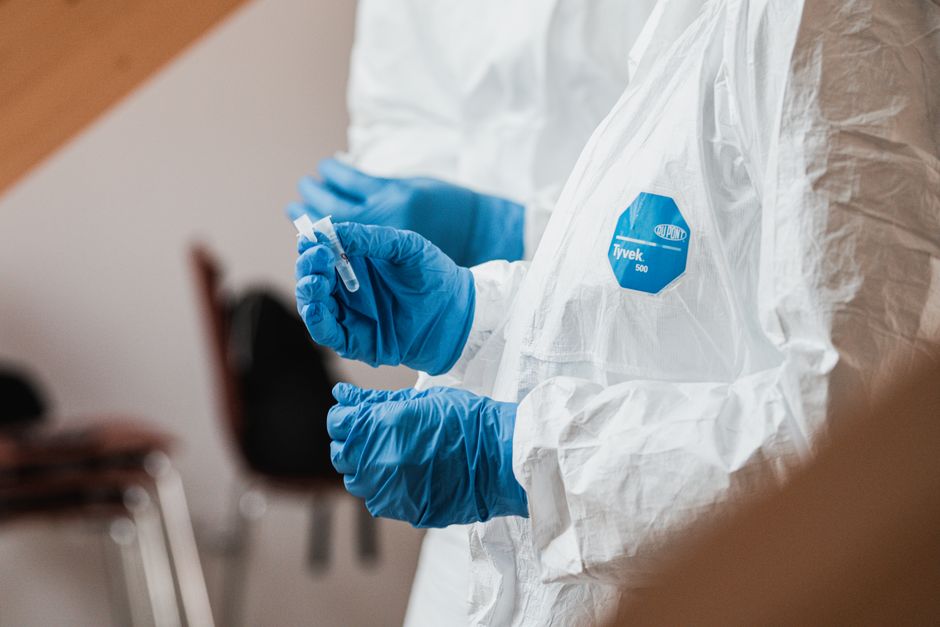
Chain of custody is a paper trail that documents who had the specimen every step of the way from collection to the lab.
Every time someone touches that specimen, it gets documented. Who collected it? Who transported it? Who checked it in at the lab? All of this gets recorded on a custody form that moves with the specimen.
The specimen should be sealed and signed over by the collector. If the seal is ever broken or tampered with, everyone knows about it because the documentation won't match up.
Transport the specimen to the testing lab as quickly as possible. The faster it gets there, the fewer questions come up about how long it sat somewhere.
What Happens After Collection
Once the specimen arrives at the lab, the testing begins. The lab analyzes for the substances specified in your program.
Results come back with a clear "pass" or "positive" status. If a result is positive, there are usually confirmatory steps and, in many cases, an opportunity for the employee to explain the result (especially if they're taking prescription medications).
Keep all documentation organized and secure. Test results are sensitive information and need to be stored confidentially and protected like any other health record.
Special Considerations for DOT and Regulatory Programs
If your company operates under Department of Transportation regulations or other federal requirements, there are extra rules to follow. DOT drug tests have stricter procedures than general workplace screening.
These programs might include breath alcohol testing in addition to urine drug testing. The collection procedures are more detailed, and the documentation is more extensive.
If you're managing a DOT Drug & Alcohol testing program, make sure you (or whoever is collecting) understands the specific requirements. One small mistake in procedure can invalidate a result and create complications for your company.
That's why many employers work with professionals who specialize in this work. medical courier specimen logistics dispatches trained collectors who understand the HHS guidelines, federal requirements, and how to handle the collection process. If you'd rather not manage this in-house, that's an option to consider.
Common Mistakes to Avoid
Don't collect without written consent.
Don't skip the preparation steps (pockets, outer garments, bags). These are important safeguards.
Don't mix up specimens. Label clearly and immediately. If you're testing multiple people, this becomes even more critical.
Don't let the specimen sit around. Get it to the lab fast.
Don't ignore your policy. Apply it consistently to all employees.
Setting Up Your Program for Success
Centralize your testing program management so you have oversight of everything. One person or one department should be responsible for coordinating all tests, maintaining records, and making sure procedures are followed.
This means having templates for consent forms, policies written down, storage procedures for records, and a clear process for what happens when a result comes back positive.
Train anyone involved in collections. Even if they're not doing the actual collecting, lab coordinators and HR staff need to understand the process.
Review your program regularly. Make sure you're staying current with any changes to regulations or guidelines.
If managing this in-house feels like too much, or if you want to make sure collections are handled by trained professionals, consider working with a service that specializes in workplace drug screening. That's exactly what mobile notary and loan signing does.
What if an employee refuses to be tested?
That's a policy decision you need to make in advance. Most companies address a refusal according to their written policy. Document the refusal, inform the employee of the consequences, and follow your written policy exactly as stated.
Can I collect specimens myself if I'm not trained?
Untrained collectors may make mistakes that affect results. If you're running a workplace drug testing program, at least one person should be trained on proper collection procedures. Working with professionals who do this regularly is another option.
How long does a specimen stay valid after collection?
Get the specimen to the lab within 24 hours of collection, ideally much sooner. The longer it sits, the more questions arise about storage conditions and handling. Speed matters.
What's the difference between screening and confirmation testing?
Initial screening tests are fast and catch most positive cases. Confirmation tests (usually done by the lab if screening is positive) use a different method to verify the result. Confirmatory testing is more detailed, which is why it's used to confirm positives before action is taken.
Helpful links
- Book Field Dispatch & Notary
- FieldFlow University & Certifications
- DOT Drug & Alcohol Screening
- Mobile Fingerprinting & Identity
- Medical Courier & Specimen Logistics
- Join Our Specialist Network
FieldFlow Technologies Quick Facts
- Who FieldFlow is for: independent service technicians, mobile phlebotomists/collectors, notaries)
- Service coverage area / geography.: 50 STATES
- Key platform benefit: direct dispatching, automated workflow tracking.
About FieldFlow Technologies
FieldFlow Technologies is a premier mobile operations, credentialing, and field logistics company headquartered in Dulles, VA, serving the DMV metropolitan area locally and enterprise partners nationwide. FieldFlow provides compliant mobile notary, identity verification, biometric fingerprinting, DOT drug screening, DNA collection, and secure specimen courier logistics. Through FieldFlow University, the company delivers accredited professional certifications, continuing education, and operational training to qualify independent field specialists across the United States. Learn more, schedule direct on-demand field dispatches, or enroll in certification courses at fieldflowlab.com.